

Basic fertilisation or basal fertilisation is the process that allows us to add nutrients to the soil, usually large quantities of organic matter. This should be done twice a year, i.e. before spring/summer crops and before autumn/winter crops.
To stimulate the biological processes in the soil and ensure that fertilisation begins to work without damaging crops, it is recommended to do this 20-30 days before sowing or transplanting.
Manure has always been considered the best fertiliser for agriculture, and if you can easily obtain it, perhaps from non-industrial livestock farms, you should definitely take advantage of it!
However, some considerations must be made; fresh manure certainly needs a period of maturation, and this often involves storing it somewhere in the garden and perhaps even continuous monitoring to ensure that it is ready.
Despite this process, viruses and/or bacteria harmful to crops and soil can develop, which are difficult to combat with organic methods; the presence of weed seeds and unwanted grasses in the manure will also prove to be a nuisance during cultivation and perhaps for years to come.
The best fresh manure is definitely cow manure, while the least recommended is horse manure because it is too rich in weed seeds.
Manure such as chicken manure or rabbit manure is excellent but needs to be well buried long before sowing because it can burn the roots!
Worm humus is also an excellent fertiliser and produces exceptional results.
This introduction is necessary, but everyone will make their own assessment.
The fundamental distinction to be made is between manure, i.e. fresh manure that has been dried and sterilised, and organic fertiliser, which is composed of manure with the addition of other nutrients necessary for the soil. Clearly, the former will then need other chemical or non-chemical fertilisers to be added during cultivation, while the latter provides optimal coverage right from the start and will only need some adjustments in the future depending on the type of crop.
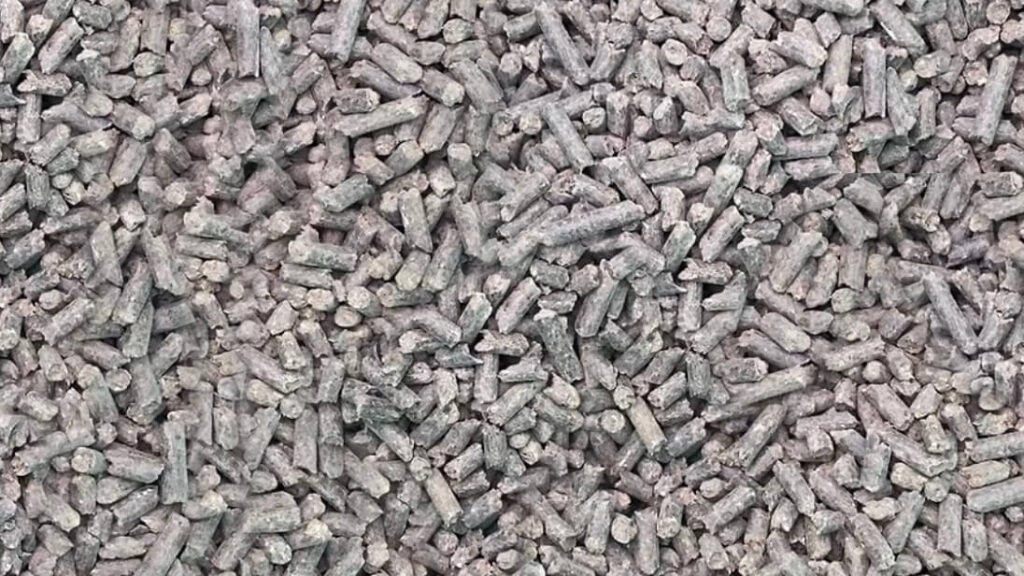
For years, effective organic fertilisers have been available on the market to replace good old manure. These are pelletised fertilisers that undergo an industrial process aimed simply at sterilising manure and organic waste. This process ensures that each bag of fertiliser is identical in terms of nutrients and, above all, that it contains no traces of viruses, bacteria or weeds.
A significant help for agriculture, considering the ease of transport and storage of the product, as well as the simple proportion of fertiliser per square metre.
In fact, pelletised organic fertiliser can be found in any agricultural supply shop at any time of year, ready to use and available in bags of various sizes to suit any space requirement.
Let’s take a look at some measurements:
Fresh manure 3 quintals per 1000 square metres
Pelleted fertiliser 2 quintals per 1000 square metres
For sandy or loose soil, I recommend doubling the doses.
Organic fertiliser or manure should be spread evenly (as much as possible) over the soil, which can be done either mechanically or by hand.
Once you have finished spreading it, you need to bury it 20 centimetres deep with a rotary tiller and water it immediately to activate it. It will then be ready for planting after 20-30 days.
This process is necessary in July and August in the area where you will sow and transplant the autumn/winter vegetable garden, and in January and February where the spring/summer vegetable garden will be planted.
One piece of advice I would give you is this: when spreading organic pellet fertiliser, many people avoid applying it to areas of the garden where they know they will not be planting anything.
ERROR!
We must fertilise every possible area because it will only benefit the microbiological life of the soil and we may reap the rewards in the future.
NEVER SKIMP ON BASIC FERTILISATION!
Getting off to a good start is the right way to minimise plant diseases and problems and ensure that your soil remains productive and never becomes exhausted.
My name is Francesca and I am 33 years old. I like to share my life in the countryside in a simple and spontaneous way, just as this adventure began.

Iscriviti alla nostra newsletter e ottieni subito un coupon di sconto del 10% da utilizzare sul tuo primo ordine come regalo di benvenuto!